

Spring in Gilgit-Baltistan marks a transformative period, one where the stark beauty of winter gradually melts away, revealing a vibrant tapestry of colors and life. Nestled in the northernmost part of Pakistan, Gilgit-Baltistan is characterized by its rugged mountains, lush valleys, and crystal-clear rivers. As winter yields to spring, the region undergoes a remarkable metamorphosis, bringing forth a plethora of blooms that not only adorn the landscape but also awaken the cultural spirit of its inhabitants.
The climatic conditions in Gilgit-Baltistan play an essential role in the onset of spring. The region experiences a unique continental climate, with harsh winters followed by a brief but intense spring. Rising temperatures lead to the thawing of snow-covered peaks, which nourishes the fertile valleys below. The valleys of Hunza, Skardu, and Phandar in Ghizer showcase an array of flora unique to this mountainous region. Here, cherry blossoms, apricots, and tulips burst into bloom, creating stunning vistas that attract nature enthusiasts and photographers alike.
Moreover, spring holds significant cultural importance in the lives of the local communities. It is a time for rejuvenation, celebration, and tradition. Numerous festivals, such as the Shandur Polo Festival, coincide with the arrival of spring, highlighting the local heritage and fostering a sense of unity among the residents. As the days become longer and fresher, these communities engage in rituals and activities that celebrate not only the natural beauty but also the bonds forged through shared experiences. The arrival of spring brings hope and joy, symbolizing growth and renewal that resonates deeply within the hearts of the people in Gilgit-Baltistan.
The Allure of Hunza Valley in Spring
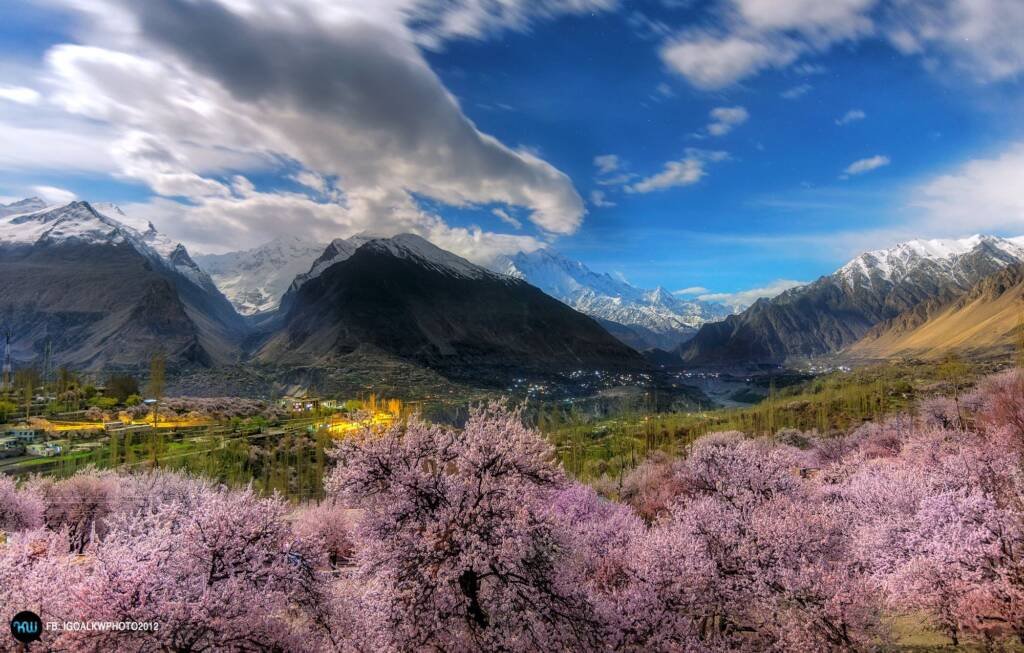
Hunza Valley, often referred to as the crown jewel of Gilgit-Baltistan, transforms into a breathtaking canvas during the spring season. As winter relinquishes its icy grip, the valley bursts forth with vibrant colors, marked by the blooming of cherry blossoms. The delicate pink and white petals create a striking contrast against the backdrop of the towering, snow-capped peaks that characterize this region. Visitors to Hunza during spring can witness this mesmerizing phenomenon, particularly in early April, when the cherry blossoms reach their peak and the entire valley seems to be draped in a fragrant floral display.
Beyond the cherry blossoms, the lush green terraces emerge, painting the landscape with deep shades of emerald. These terraces are cultivated by local farmers, who have perfected the art of agronomy in this seemingly harsh environment. Spring is a crucial time for agriculture, as fields come alive with the early crops of barley, wheat, and various greens, adding to the rich tapestry of color witnessed in the valley.
In addition to its stunning natural beauty, Hunza Valley offers a variety of attractions that beckon travelers. Key highlights include the historic Baltit Fortress, which dates back over 700 years and provides a panoramic view of the valley, and the serene Attabad Lake, formed after a landslide in 2010. Spring also marks the onset of local festivals, where traditional music and dance celebrate the arrival of the season, creating an engaging cultural experience for visitors.
The ideal time to visit Hunza is between March and May when the climate is mild, and the valleys are bursting with life. For those seeking to explore the natural beauty of Gilgit-Baltistan, Hunza Valley in spring presents a perfect opportunity to witness nature’s allure at its most vibrant.
Skardu: A Springtime Paradise
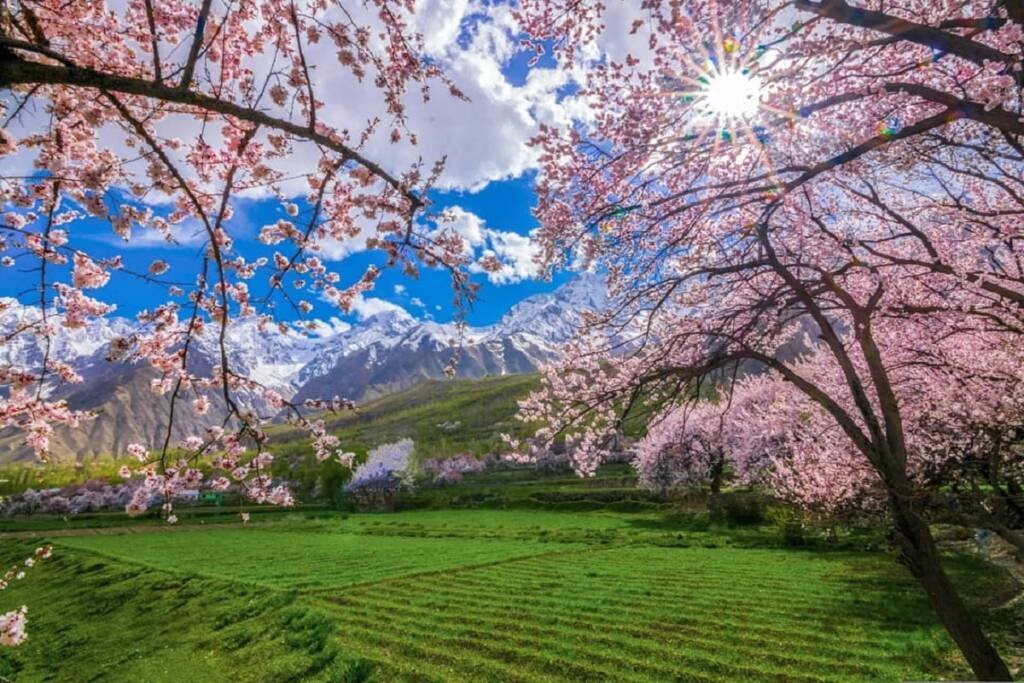
Spring in Skardu transforms this stunning region into a vibrant tapestry of colors and natural beauty. As the winter chill recedes, the melting glaciers unveil a breathtaking vista, revealing crystal-clear lakes that mirror the grandeur of their surroundings. The renowned Sheosar Lake and Upper Kachura Lake become focal points for visitors, each offering a serene environment for contemplation and photography. This pristine water, often reflecting the towering Karakoram mountain range, invites adventurers and nature enthusiasts alike.
Wildflowers emerge from their winter slumber, painting the meadows and hillsides in hues of yellow, violet, and pink. During spring, the valleys of Skardu come alive with blossoms that attract not only nature lovers but also photographers keen on capturing the enchanting landscapes. Local flora, including various species of tulips and wild roses, flourish, enriching the experience of those who visit. These vibrant wildflowers play an essential role in supporting the local ecosystem, attracting butterflies and bees, which signify the onset of the productive season ahead.
Additionally, spring in Skardu provides ample opportunities for outdoor activities such as trekking and camping. Enthusiasts can explore trails that lead to stunning viewpoints and iconic sites like K2 Base Camp and Deosai National Park. The temperate climate during this season makes it an opportune time for trekkers to embark on their journeys. Cultural festivals, often held in spring, imbue the atmosphere with a sense of joy and community as locals celebrate their heritage through music, dance, and traditional cuisine, inviting visitors to join in the festivities.
Skardu in spring is undoubtedly a paradise for adventurers and those seeking tranquility in nature, providing breathtaking experiences that resonate long after the season has passed.
Phandar Valley: The Hidden Gem of Ghizer
Phandar Valley, often regarded as one of the hidden gems of Ghizer, presents an enchanting escape into nature’s beauty. Nestled amidst the majestic mountains and lush greenery, this valley thrives during spring when the landscape transforms into a vibrant canvas of flourishing flora and abundant wildlife. The valley’s charm lies not just in its stunning landscapes, but also in the serene ambiance that envelops visitors, offering an ideal retreat from the chaos of more frequented tourist spots.
The heart of Phandar Valley is adorned with numerous pristine lakes, notably Phandar Lake, which reflects the surrounding peaks magnificently. These lakes are cradled by lush meadows, where a variety of wildflowers bloom, dotting the landscape with splashes of color. The unique botanical species in this region contribute to its rich biodiversity, making it a prime location for nature enthusiasts and botanists alike who seek to witness the distinctive flora that flourishes in the spring season.
The local wildlife, comprising various bird species and mammals, can also be observed during this time. Birdwatchers often flock to the area, as they can spot migratory birds taking refuge in the valleys. The interplay of diverse species and their habitats deepens the allure of Phandar Valley, elevating it beyond just scenic beauty to a dynamic ecosystem. Visitors can relish the tranquility of this lesser-known destination, far removed from the crowded attractions in the region.
In addition to its natural wonders, Phandar Valley is replete with hidden attractions. Local craftsmanship and culture offer a glimpse of the region’s heritage, showcasing the authentic lifestyle of the inhabitants. Exploring these aspects allows travelers to immerse themselves in the local way of life, enhancing their experience in this secluded paradise.
Flora and Fauna: Nature’s Spring Awakening
The arrival of spring in Gilgit-Baltistan marks a vibrant transformation in the region’s ecosystems, particularly evident in the Hunza Valley, Skardu, and Phandar, Ghizer. As the snow begins to melt, the diverse flora bursts into bloom, painting the landscapes with an array of colors that symbolize renewal and life. The region is renowned for its rich biodiversity, showcasing various plant species that flourish during this season. Apricot, cherry, and apple trees begin to blossom, contributing not only to the scenic beauty but also to the local economy through the cultivation of these fruits.
Moreover, the spring season fosters the growth of numerous wildflowers, which blanket the meadows and rocky outcrops. The sight of these flowers, such as bluebells and forget-me-nots, attracts not just nature enthusiasts but also a variety of pollinators, including bees and butterflies. This remarkable blooming period is crucial for maintaining balance in the ecosystem, as it supports food webs and sustains animal populations.
Cultural Events and Festivals of Spring
The arrival of spring in Gilgit-Baltistan marks a time of rejuvenation and celebration, as the region’s vibrant cultural events and festivals come to life, particularly in Hunza Valley, Skardu, and Phandar in Ghizer. These events play a crucial role in uniting communities, reflecting the rich cultural heritage and traditions that flourish during this season. The festivals are celebrated with great enthusiasm, demonstrating the local populace’s deep connection to nature and the changing environment.
One of the most significant spring festivals is the “Shandur Polo Festival,” held at the world’s highest polo ground. This festival not only showcases thrilling polo matches but also incorporates local music, dances, and cultural displays. The melodic tunes of traditional instruments resonate through the valleys, accompanied by dancers dressed in colorful attire, representing the diversity of the region.
Additionally, the “Tulip Festival” in Hunza is an exquisite display of nature’s beauty, attracting both locals and tourists. This event features flourishing tulip gardens that bloom in a kaleidoscope of colors. Throughout the festival, visitors are treated to local cuisine, which is integral to the cultural experience. Special dishes made from fresh, seasonal ingredients are served, highlighting the importance of agriculture and communal gatherings in the region’s lifestyle.
In Skardu, the annual “Balti Shodpa Festival” encapsulates the essence of the vibrant Balti culture. This festival includes traditional Balti song and dance performances, offering a glimpse into the unique art forms of the region. The festivities not only strengthen bonds among community members but also promote pride in their heritage, particularly as spring symbolizes new beginnings and prosperity.
Overall, the cultural events and festivals of spring in Gilgit-Baltistan provide a captivating insight into the lives of the people. They embody the joyous spirit of the season, showcasing traditional music, art, and culinary delights, which vividly demonstrate how spring influences the social and cultural life of the region.
Adventure Tourism in Spring: Activities and Experiences
As spring unfolds in Gilgit-Baltistan, the region beckons adventure enthusiasts with its breathtaking landscapes and diverse activities. During this vibrant season, nature reveals its splendor, making it the perfect time for trekking, hiking, rock climbing, and river rafting. These thrilling pursuits not only provide an adrenaline rush but also allow travelers to experience the majestic beauty of Hunza Valley, Skardu, and Phandar.
Trekking is undoubtedly one of the most popular activities. In Hunza, the breathtaking trek to Ultar Sar Base Camp offers adventurers a chance to witness stunning views of the surrounding peaks and valleys. Furthermore, the trek to the historic Baltit Fort allows trekkers to explore the rich cultural heritage intertwined with the natural landscape. In Skardu, the renowned K2 Base Camp trek draws many seeking the ultimate challenge, providing an opportunity to stand amidst some of the tallest peaks in the world.
Another exhilarating undertaking available in the region is rock climbing. The steep crags around Hunza offer ideal spots for both beginners and experienced climbers. The diverse routes cater to various skill levels, encouraging climbers to test their limits amidst dramatic backdrops. Meanwhile, the enchanting valleys of Phandar present ideal locations for both soft and hard rock climbing.
For those seeking a splash of excitement, river rafting in the glacial rivers of Skardu and Hunza presents an exhilarating experience. The swift currents of the Indus River provide a thrilling challenge, perfect for rafting enthusiasts. Guided tours are available, ensuring safety while allowing participants to enjoy the scenery and thrill of white-water rafting.
Overall, spring in Gilgit-Baltistan promises a plethora of adventure tourism experiences, with numerous activities that cater to various interests and skill levels. This vibrant season offers an excellent opportunity to embark on unforgettable adventures and explore the majestic natural beauty of this remarkable region.
Travel Tips for Spring in Gilgit-Baltistan
Traveling to Gilgit-Baltistan during the spring season offers a unique opportunity to witness the natural beauty of this region as it awakens from winter dormancy. The following travel tips will help you have a smooth and enjoyable journey through this breathtaking landscape.
First and foremost, consider the weather changes when packing your clothing. Spring temperatures in Gilgit-Baltistan can fluctuate significantly, particularly in mountainous areas like Hunza Valley and Skardu. It is advisable to layer your clothing. Lightweight thermal wear, along with long-sleeve shirts and a warm jacket, will be useful as evenings tend to be chilly. Comfortable walking shoes are essential, especially for trekking or exploring local markets. Moreover, don’t forget your sunglasses and a hat to shield yourself from the sun while enjoying the vibrant blooms in Phandar Valley.
Familiarizing yourself with local customs is also valuable for a harmonious experience. The people of Gilgit-Baltistan are known for their hospitality and warmth. Greeting locals with “Asalam-o-Alaikum” can set a positive tone for your interactions. It’s prudent to seek permission before taking photographs of local people or specific cultural sites, as respect for customs is highly regarded. Understanding a few basic phrases in Urdu or Shina can also enhance your communication skills with locals.
Accommodation options in Gilgit-Baltistan range from hotels to guesthouses and homestays, each offering a distinct experience. Booking in advance during the spring season is recommended, as this period is popular among travelers. Using local transportation methods such as jeep rentals or buses can enhance your journey, allowing you to experience the striking vistas at your own pace.
By keeping these tips in mind, your spring visit to Gilgit-Baltistan can be both enjoyable and enriching, paving the way for memorable experiences amid the region’s stunning scenery.
Conclusion: The Lasting Impression of Spring in Gilgit-Baltistan
The experience of spring in Gilgit-Baltistan is truly enchanting, leaving an indelible mark on the hearts of those who visit this remarkable region. As the snow melts and the landscape awakens, the valleys transform into a vibrant tapestry of color, with blossoms and greenery creating a scenic wonderland that is unmatched. In particular, the Hunza Valley stands out with its picturesque views and rich cultural heritage, where cherry blossoms create a stunning backdrop against the majestic Karakoram mountain range. Visitors often find themselves captivated by the local festivals that celebrate this season, blending natural beauty with cultural richness.
Similarly, Skardu enchants travelers with its dramatic landscapes and pristine lakes, inviting exploration and reflection. The ever-blooming wildflowers against the backdrop of towering peaks showcase nature’s art in full display, making it an ideal destination for photography and adventure alike. The cultural festivities that accompany the arrival of spring in Skardu draw tourists and locals together, fostering a sense of community around shared experiences amid breathtaking vistas.
Phandar, located in the Ghizer district, offers a unique experience with its tranquil lakes and lush valleys. The serene environment serves as a perfect retreat for those seeking solace in nature’s beauty. The abundant flora and fauna during springtime further enhance the area’s charm, making it irresistible for nature enthusiasts and bird watchers alike. Each corner of Phandar provides a picturesque scene that captivates visitors, highlighting the profound connection between nature and culture found in Gilgit-Baltistan.
As the season unfolds, it encourages travelers to immerse themselves in the beauty and traditions that this region embodies. The lasting impressions created by the vibrant blossoms of spring ensure that Gilgit-Baltistan remains a treasured destination for years to come. Embracing both its natural wonders and cultural richness can lead to a deeper appreciation of this enchanting corner of the world.

Leave a Reply